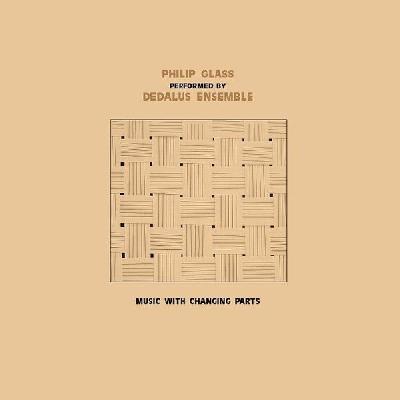
DEDALUS ENSEMBLE (PERFORMING PHILIP GLASS) Music with Changing Parts
Description
Founding work of minimalism, Music with ChangingParts is a piece with free instrumentation.The musicians choose which part to play among the8 staves of the score. At each indicated cue, themusicians can change part, which produces an abrupt change of instrumentation. While the music is basedon a melodic material limited to a few notes that are repeated in patterns that expand or contract, the changesin orchestration refresh the listening experience by producing sonic contrasts. These techniques at workin Music with Changing Parts , written in 1970, will lead Philip Glass to renew his language and move from themonochromatic works that precede it to more dramatic works such as music in 12 parts and especially the opera Einstein on the Beach.When Philip Glass began rehearsing the piece, he was surprised to hear long notes when everything waswritten in eighth notes. After making sure that noneof the musicians were playing held notes, he realizedthat the fact that the same notes were played by allthe instruments in the ensemble produced, througha psycho-acoustic effect, a harmonic substrate ofresonant frequencies. He then decided to add tothe score the possibility of playing long notes toreinforce this effect.
For this recording, we chose to record first the eighthnotes, then the long notes in re-recording. This utopian version, with each musician playing short and longnotes at the same time (!), illustrates the minimalist aesthetic that plays with our perception and allowsus to reconcile opposites and cultivate the apparentparadox of a music that moves forward withoutMoving and changes constantly while remaining the same.
Titles
01. Music With Changing Parts (1) 13'17
02. Music With Changing Parts (2) 13'56
03. Music With Changing Parts (3) 13'56
04. Music With Changing Parts (4) 13'45
From the same artist
Best selling

Best shots
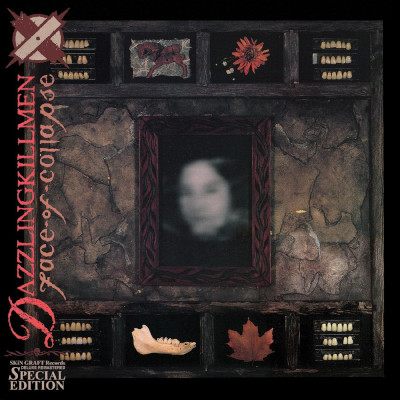 DAZZLING KILLMENFace of Collapse29.40 €
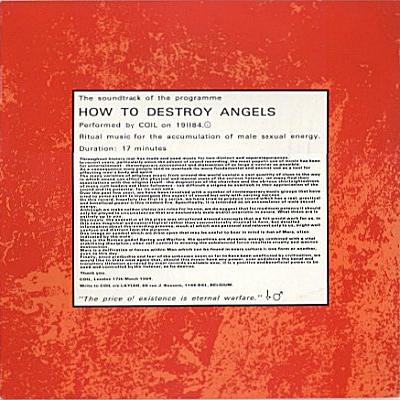 COILHow to Destroy Angels19.60 €
 IT DOCKUMER LOKAELTSJELoop of Sloop26.80 €
 MOTHER TONGUES/t20.70 €